Commercial roofing
Commercial roofing in Central Texas.
Low-slope membrane, metal, and steep architectural roofs for businesses, churches, apartments, and industrial property. Work is sequenced so the building stays dry and stays open.
Low-slope basics
A commercial roof is a drainage problem first.
On a pitched residential roof, gravity does most of the work and the materials only have to shed water. A low-slope commercial roof has to be genuinely watertight, because water sits on it long enough to find anything that is not. That single difference drives almost every decision on a flat roof: how it slopes, where it drains, how the seams are made, and how every curb and pipe that pokes through it is flashed.
Ponding water is the symptom to take seriously. If a roof still holds water a day or two after rain, something is wrong with the slope or the drainage, and standing water is heavy, it accelerates seam and coating failure, and it magnifies any hail hit that punctures the membrane. Causes we find are deflected structural deck, insulation crushed or saturated in an area, drains that have sunk relative to the field, and drains or scuppers that nobody has cleared in years. The correction is usually tapered insulation, added drainage, or both, not another layer of coating over a low spot.
Membrane systems
Single-ply membranes such as TPO and PVC are welded at the seams with hot air, which makes a continuous sheet rather than a glued lap, and light-colored membranes reflect a meaningful amount of the summer load off the building. Modified bitumen is torch, mop, or self-adhered in plies and is tough underfoot, which makes it a good fit on roofs with heavy service traffic. Older built-up roofs are still out there and can often be repaired or restored rather than torn off. Each of these can be the right choice. What matters more than the brand is whether the deck below is dry, how it is attached, and whether the details are done properly.
Details, curbs, and penetrations
Nearly every commercial leak we chase starts at a detail, not in the field of the roof. Parapet walls and the coping on top of them, HVAC curbs, roof hatches, pitch pockets around conduit and pipe supports, gas lines, drains, and expansion joints are where the water gets in. Rooftop equipment makes it worse because service technicians walk the same path to the same unit for years, and a membrane takes a beating from foot traffic and dropped tools. Walkway pads along the routes to equipment are cheap and prevent a surprising amount of damage.
Metal on commercial buildings
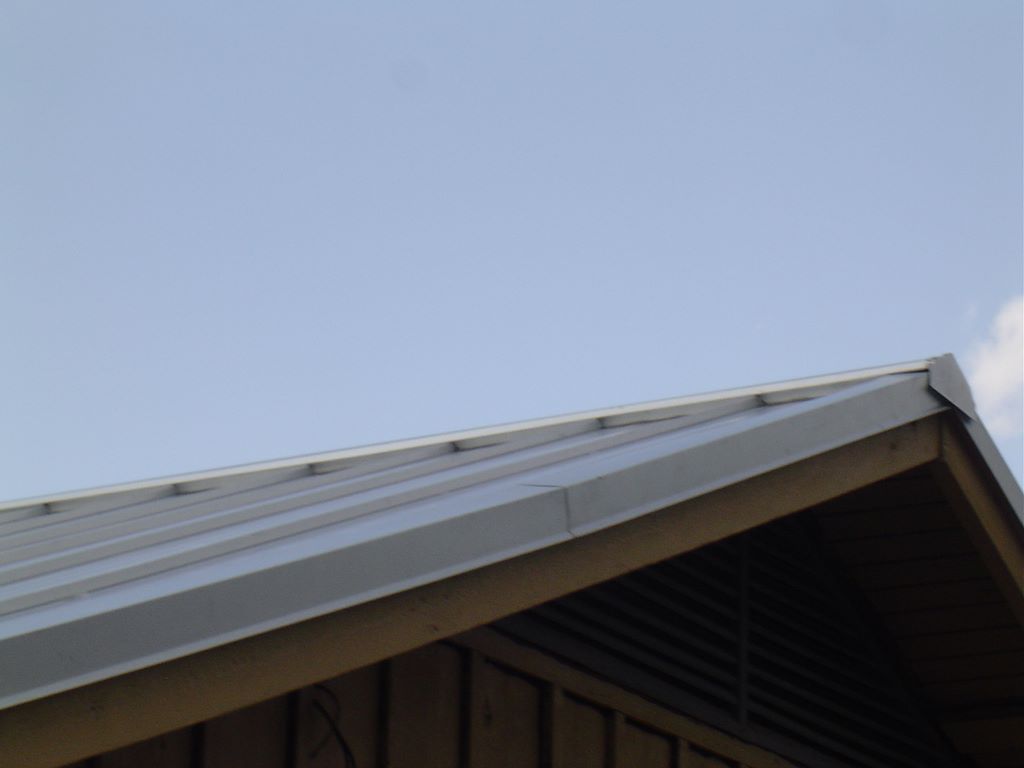
Plenty of Central Texas commercial roofs are metal, either as the original structure or as a retrofit over an aging low-slope assembly. Metal on a large building brings its own considerations: panel expansion across long runs, fastener and washer condition on exposed fastener systems, condensation control in unconditioned space, and trim and transition details at ridges, eaves, and wall junctions. The commercial metal project shown on this page is that kind of work.
Repair, restore, or replace
Building owners usually want a straight answer on this, and it comes down to how much water is already in the assembly. Isolated seam and flashing failures over a dry deck are a repair. A membrane that is weathered but sound and dry can often be extended with a coating or restoration system, which is a real budget option and not a gimmick when the roof qualifies. Once insulation is wet across a broad area, coating over it seals the moisture in and the roof keeps deteriorating underneath, so a tear-off is the only honest recommendation. You will get that answer with the reasoning, in writing, before you commit money.
- Keep drains, scuppers, and gutters clear. It is the cheapest roof maintenance that exists.
- Inspect twice a year and after any significant hail or wind, and keep the reports.
- Add walkway pads on service routes before a technician puts a hole in the membrane.
- Budget for the roof before it fails, not after an interior water event.
Working around an operating building
Scheduling is half of commercial roofing. Work gets phased so only a portion of the roof is open at a time and the building is dry in at the end of each day. Deliveries, loud tear-off, and anything staged over an entrance are planned around your hours, tenants, and traffic. The jobsite is cleaned daily. A Classic Roofing is family owned, carries liability insurance, and Bill Webster has been running commercial and residential work in this area for more than thirty years. Call 254-702-7479 to get the roof looked at.
Property types
Businesses, churches, apartments, and industrial.
The roof on a retail strip, a church sanctuary, and a twelve-building apartment property are three different problems. What they share is that the owner needs a clear scope, a realistic schedule, and a contractor who shows up when the weather turns.
- Offices, retail, and light industrial buildings
- Churches and steep architectural roof lines
- Apartment and multifamily property
- Gutters, downspouts, siding, and interior repairs coordinated
FAQ
Commercial roofing questions from property owners.
Can you work without shutting down our business?
Almost always. Commercial work gets sequenced so that only a section of roof is open at a time and the building stays dry in by the end of each day. Loud tear-off, crane or boom lifts, and anything over an entrance can be scheduled around your hours. Tell us the times that cannot be disturbed and the schedule is built around them.
Why does water stand on our flat roof after it rains?
A low-slope roof is supposed to drain, not hold water. Ponding usually means a deflected deck, insulation that has been crushed or saturated, a drain that has sunk relative to the field, or a blocked drain and scupper. Standing water accelerates seam failure and adds weight, so the fix is drainage correction with tapered insulation or added drains rather than more coating.
How do we know whether to repair, restore, or replace?
It comes down to how wet the insulation is and how much of the membrane is still sound. Isolated seam and flashing failures over a dry assembly are repairs. A weathered but dry membrane can sometimes be restored with a coating system. Once water is in the insulation across a large area, coating over it only traps the problem and a tear-off is the honest answer.
What causes most commercial roof leaks?
Details, not the field of the roof. Failed seams and laps, flashing at parapets and curbs, pitch pockets around conduit and pipe supports, cracked or open coping joints, and neglected drains account for the large majority of calls. HVAC service traffic is the other big one, because foot traffic and dropped tools punch a membrane.
Do you handle apartment and church roofs?
Yes. Multifamily property, churches, offices, retail, and light industrial buildings are all regular work. Steep architectural roofs on churches and historic buildings are handled in-house as well, not subbed out to whoever is available.
Should a commercial roof be inspected on a schedule?
Twice a year plus after any major hail or wind event is a reasonable rhythm. Clearing drains, resealing pitch pockets, and catching an open seam early costs a fraction of what an interior water event costs, and a documented history of maintenance is useful when a warranty or insurance question comes up later.
Can a commercial roof be replaced while equipment stays in place?
Usually yes, by working around and reflashing the curbs. Some units have to be lifted or temporarily disconnected to raise a curb or rebuild the flashing under them, and that gets coordinated with your mechanical contractor and stated in the scope so it is not a surprise mid-job.
Related services
Other work A Classic Roofing handles.
Get the building roof evaluated.
Free estimates on commercial roofing in Killeen and across Central Texas.