
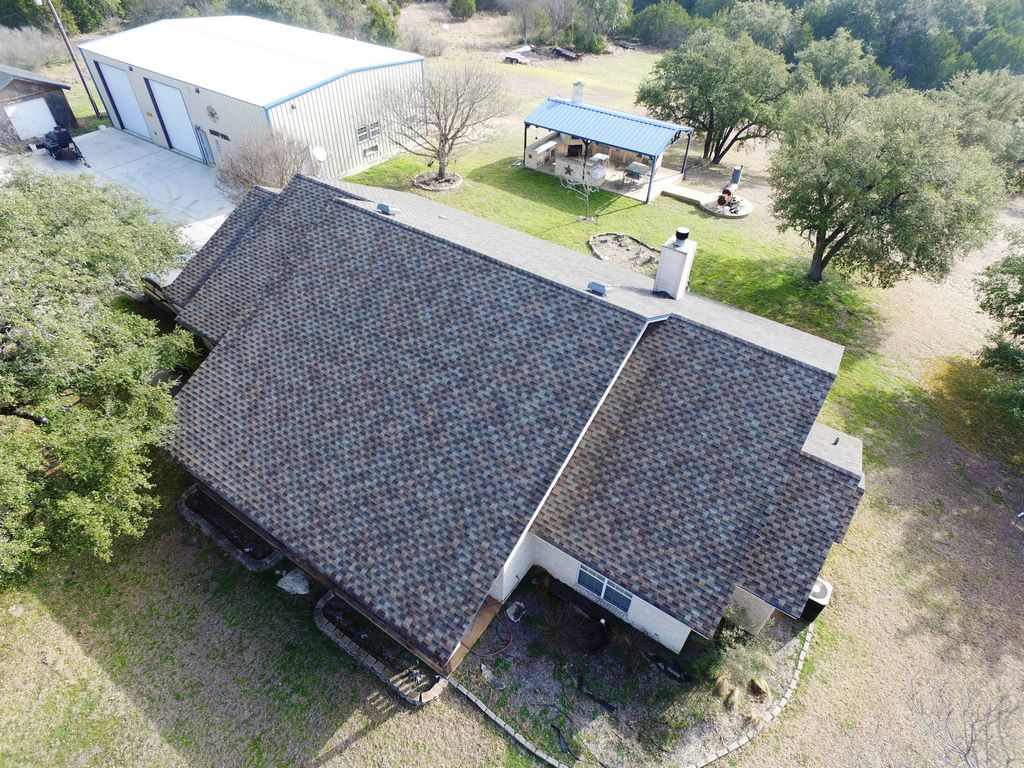
Roof replacement
Roof replacement in Killeen and Central Texas.
Tear-off down to the deck, decking repaired where it needs it, and a complete roof system put back on. You get a written scope with the material, the details, and the price before anyone starts.
The system, not the shingle
A roof is five or six things working together.
Most people shop a roof replacement by comparing shingle brands. The shingle matters, but it is the visible layer of a system, and in Central Texas the parts underneath it are usually what decide whether the roof lasts its full rated life. Here is what actually goes on a roof and why each piece is worth asking about when you compare bids.
Tear-off and decking
Everything comes off down to the wood. That is the only point in the roof life cycle where the decking can be inspected, and on older homes around Killeen and Copperas Cove it is common to find a few soft or delaminated sheets, especially around chimneys, valleys, and anywhere a leak ran for a season. Bad decking gets replaced. Nobody can tell you how many sheets that will be before the old roof is off, so the scope should state a per-sheet price up front instead of leaving it open.
Underlayment and the leak barriers
Synthetic underlayment has largely replaced felt because it holds up better to foot traffic and to sitting exposed for a day or two in Texas sun. The more important detail is where a self-adhering leak barrier goes: valleys, around penetrations, and along roof-to-wall transitions. Those are the places that leak first, and a membrane there is cheap insurance compared to chasing a valley leak in three years.
Flashing, drip edge, and transitions
Reusing old flashing is the single most common corner cut on a replacement bid. Step flashing at walls, chimney flashing, and drip edge at eaves and rakes should be new metal, and a chimney that is properly flashed has counterflashing let into the masonry rather than a bead of caulk smeared across the brick. If a bid is noticeably cheaper than the others, this is usually where the money went.
Ventilation
Attic ventilation is balanced intake at the soffit and exhaust at or near the ridge. Get it wrong and the attic runs hot enough through a Central Texas summer to cook the shingles from below, which shows up years later as premature curling. A replacement is the right time to fix an attic that has never breathed correctly, and it is a small line item compared to redoing it later.
Choosing the material
Architectural or dimensional laminated shingles are the default on most homes here. They are heavier than the old three-tab, hold their seal better in wind, and carry longer manufacturer ratings. Three-tab still shows up on rentals and budget jobs, and it is the first thing to blow off in a hard spring wind.
Impact-resistant Class 4 shingles are worth pricing in this part of Texas. They cost more, they hold up better to hail, and many insurance carriers give a premium discount for them. Call your carrier and ask what the discount actually is on your policy before you decide, because it varies enough to change the math.
Metal is the other real option, particularly on porches, low-slope sections, steep architectural roofs, and buildings where you want to stop thinking about the roof for several decades. It costs more up front and lasts far longer. If you want to compare the two side by side, the metal roofing page walks through panel types and gauges.
What a replacement actually costs
Square footage is where the estimate starts and not where it ends. The things that move the price are pitch, because a steep roof slows everything down and changes how the crew works; complexity, because valleys, dormers, and cut-up roof lines mean more cuts, more flashing, and more waste; the number of layers to tear off; how much decking has to be replaced; access, because a house you can back a trailer up to is cheaper to work than one you cannot; and the material you pick.
- Get the scope in writing, with the underlayment, flashing, and ventilation spelled out rather than implied.
- Compare bids on what is included, not on the bottom line alone. Two numbers that look close often describe different roofs.
- Ask who is doing the work and whether the contractor carries liability insurance. A Classic Roofing does.
How the job runs
Material is delivered, the crew tears off and dries in the same day where the weather allows, decking is addressed, and the new system goes on. Debris is contained while the roof comes off, the site is cleaned at the end of every working day, and the ground gets swept with a magnet for nails before the crew leaves. Bill Webster has been doing this in Central Texas for more than thirty years, and the company is family owned, which mostly means the person who sold you the job is the person you call if something is not right.
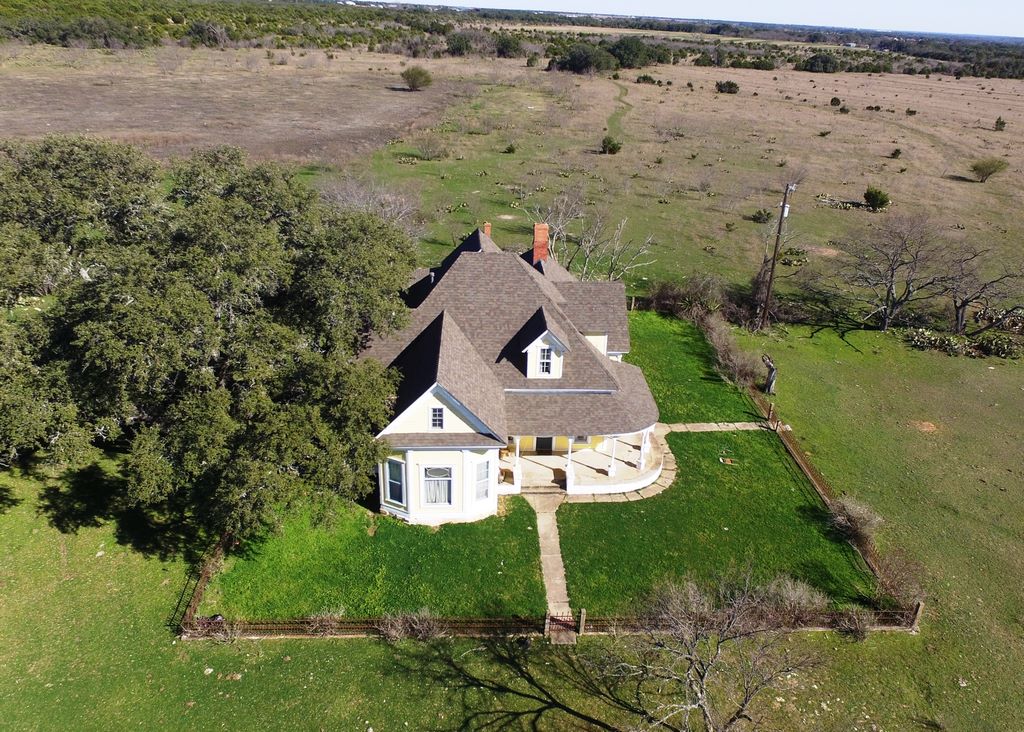
Older and historic homes
Some roofs need more than a stack of squares.
Older Central Texas homes come with steeper pitches, odd framing, added-on porches, and details that were never square to begin with. Those roofs take longer to lay out and reward a crew that has seen the problem before rather than one working off a template.
- Steep and cut-up roof lines laid out on site
- New flashing at chimneys, walls, and transitions
- Rotten decking and fascia replaced, not covered
- Gutters, siding, and skylights coordinated with the roof
FAQ
Roof replacement questions we get asked.
How long does a roof replacement take?
Most single-family homes in this area are a one to two day job once the crew is on site. Steep pitches, cut-up roof lines, multiple layers to tear off, and unexpected decking replacement all add time. Larger commercial and church roofs run longer and get scheduled in phases.
What drives the price of a roof replacement?
Square footage is only the starting point. Pitch, the number of valleys and penetrations, how many layers have to come off, how much decking is rotten underneath, the material you pick, and how hard the property is to access all move the number. That is why the price comes after the inspection, not before it.
Can you go over the old shingles instead of tearing off?
It is possible on some roofs, and it is rarely a good idea. An overlay hides the condition of the decking, traps heat, adds weight, and usually shortens the life of the new shingles. A Classic Roofing tears off to the deck so the roof can actually be inspected before new material goes down.
How do I know it is time to replace rather than repair?
Look for granules collecting in the gutters, shingles that are curling or losing their seal along the edges, repeat leaks in different areas, and decking that feels soft underfoot. One isolated problem on a roof with life left is a repair. Several problems across a roof near the end of its service life is a replacement.
Will you replace the decking if it is rotten?
Yes. Bad decking cannot be seen until the old roof is off, so the written scope states how replacement decking is handled and what it costs per sheet. You are shown the damaged areas before they are covered up.
What happens to my yard and landscaping during the job?
Tear-off is messy while it is happening. Debris is contained as the roof comes off, the jobsite is cleaned at the end of every working day, and the ground is swept with a magnet for nails before the crew leaves for good.
Should I upgrade to impact-resistant shingles?
In hail country it is worth pricing. Class 4 impact-rated shingles cost more up front and hold up better to hail, and many insurance carriers offer a premium discount for them. Ask your carrier what the discount is before deciding, because it varies by policy.
Related services
Other work A Classic Roofing handles.
Price your roof replacement.
Free estimates on full roof replacement in Killeen and across Central Texas.